If there is one plant that defines the intersection of beauty and utility, it’s lavender. Most of us recognize it instantly by its calming fragrance or the sea of purple that blankets fields in Provence, but this hardy herb has been a staple in human history for millennia.
Whether you’re looking to upgrade your garden, your pantry, or your wellness routine, here is everything you need to know about the “Blue Gold” of the plant world.
A History Rooted in Cleanliness
The word lavender comes from the Latin lavare, meaning “to wash.” It wasn’t just a clever name; ancient Romans and Greeks used lavender to scent their bathwater and laundry. Beyond its smell, it was prized for its antiseptic and anti-inflammatory properties, making it an early “medicine cabinet” essential for treating everything from skin irritations to insomnia.
Not All Lavender is Created Equal
While there are over 45 different species, most people interact with two main types:
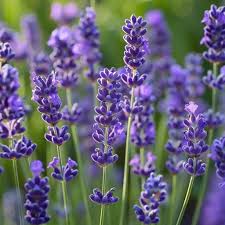
- English Lavender (Lavandula angustifolia): This is the variety you’ll find in high-end essential oils and gourmet kitchens. It has a sweet, delicate flavor and a scent that is pure and floral.
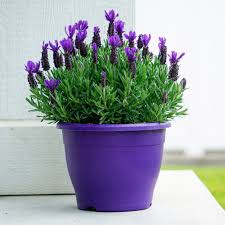
- French/Spanish Lavender (Lavandula stoechas): Noticeable by the little “wings” or bracts on top of the flower, this variety is tougher and handles heat better. It has a stronger, more medicinal scent, making it great for decorative landscaping and dried sachets.
Beyond the Garden: Surprising Uses
Most people know lavender for its relaxing vibes, but its versatility goes much further:
- In the Kitchen: Lavender is a member of the mint family. When used sparingly, it adds a sophisticated floral note to lemonades, shortbread cookies, and even savory rubs for roasted meats.
- A Friend to Bees: If you want a buzzing, healthy garden, plant lavender. It is a massive nectar producer, acting as a vital food source for honeybees and butterflies.
- Natural Pest Control: While we find the scent intoxicating, moths, mosquitoes, and flies hate it. Placing dried lavender in your closet is a centuries-old (and chemical-free) way to keep your sweaters hole-free.
Pro-Tips for Growing Your Own
Thinking of adding some purple to your yard? Lavender is surprisingly low-maintenance if you follow two golden rules:
- Sun, Sun, and More Sun: It needs at least 6 to 8 hours of direct sunlight a day.
- Don’t Overwater: Lavender hates “wet feet.” It thrives in sandy, well-draining soil and is actually quite drought-tolerant once it’s established.
The Bottom Line
Lavender is a rare triple threat: it’s beautiful to look at, easy to grow, and incredibly functional. From ancient Roman baths to modern-day aromatherapy, it remains one of the most beloved plants on Earth. Next time you catch a whiff of that familiar floral scent, you’ll know there’s a lot more to that little purple flower than meets the eye.